Practical No. 1 Introduction to Biotechnology (laboratory safety, containment and decontamination)
Biotechnology is the use of an organism, or a component of an organism or other biological system, to make a product or process for a specific use. Biotechnological techniques are applicable not only to modern medical practice but also to the production of genetically modified organisms, forensics, and quality assessment of laboratory animals, pharmacogenomics, and other fields. Many applications of modern biotechnology depend on the ability to analyze, manipulate, and cut and paste pieces of DNA. Approaches that involve sequencing and manipulation of DNA are sometimes referred to as DNA technology.
Safety Considerations:
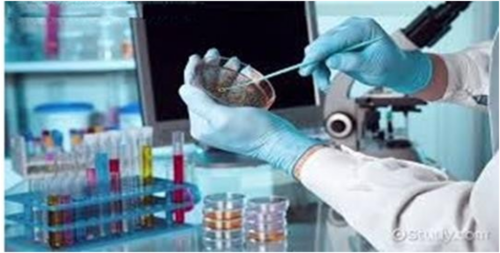
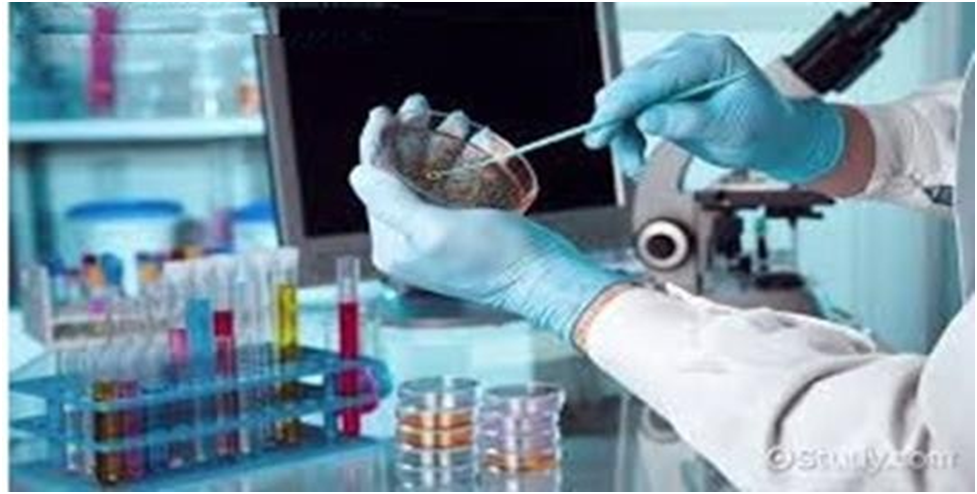
- Use personal protective equipment such as disposable gloves, lab coats, disposable masks, etc.
- Handle all sharps with care and dispose of sharps in the sharp’s disposal containers.
- Handle hazardous chemicals and samples carefully. Blood and other body fluid must be considered potentially hazardous. Biological waste should be disposed of in the designated trash bags that could be incinerated later on.
- Decontaminate the work benches regularly and especially before and after work. For decontamination, wipe the surfaces with 10% bleach followed by water.
Containments: Containment is defined as the action of confining within a defined space a microbiological agent or other entity that is being cultured, stored, manipulated, transported, or destroyed in order to prevent or limit its contact with people and/or the environment.
Decontamination: Decontamination is a combination of processes that removes or destroys contamination so that infectious agents or other contaminants cannot reach a susceptible site in sufficient quantities to initiate infection, or other harmful response. Its types include, Physical cleaning, Ultrasonication, Disinfection, Antisepsis, Sterilizations.
Practical No. 2 Introduction and practical demonstration of use and handling of laboratory equipment/ glassware in Biotechnology
Glassware
The glassware needs to be selected according to its accuracy and capacity. Narrow neck glassware is more accurate by rule. Some glassware can be used to measure fixed volumes while others can be used to measure a variety of volumes. Some glassware used in laboratory are enlisted;
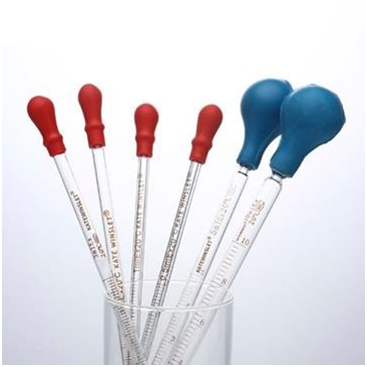
Bulb and graduated pipettes. These are used to transport specific amounts of fluids from one place to another.
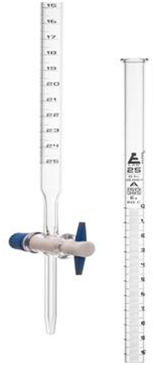
Burettes. These are used to dispense exact quantities of liquid into another vessel.
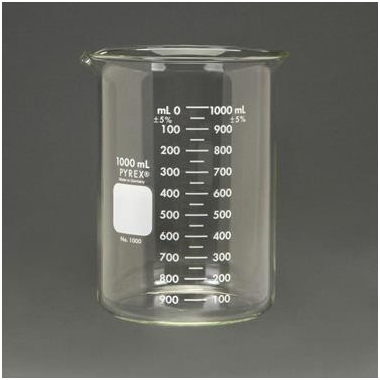
Beakers. Simple containers used to hold samples and reagents.
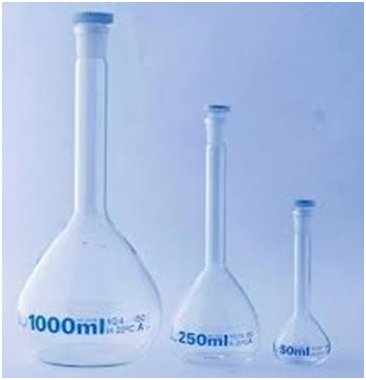
Volumetric flasks. Similar to beakers, these are used to hold samples but usually come in a conical or spherical shape with a tapering neck.
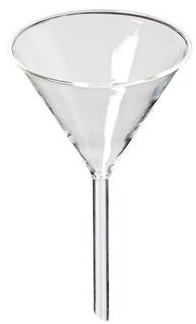
Funnels. The tapered neck of a funnel allows easy pouring of a liquid into a narrow orifice.
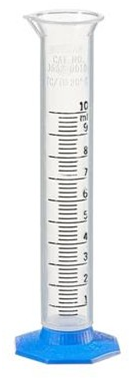
Graduated Cylinders. Similar to beakers, these cylindrical vessels have volumetric markings to allow for monitoring volume.
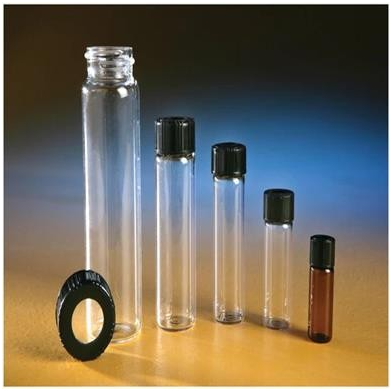
Vials. Small bottles used to store samples or reagents.
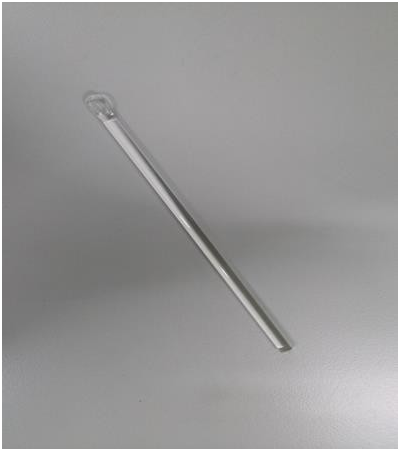
Stirring Rods. Used to mix solvents and samples together.
Materials
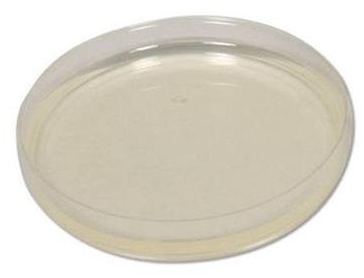
Agar Plate — Petri dish containing solidified culture medium.\
Agar Slant — Test lube containing solidified culture medium at a slope for preparing cultures and preservation of pure cultures in the lab.
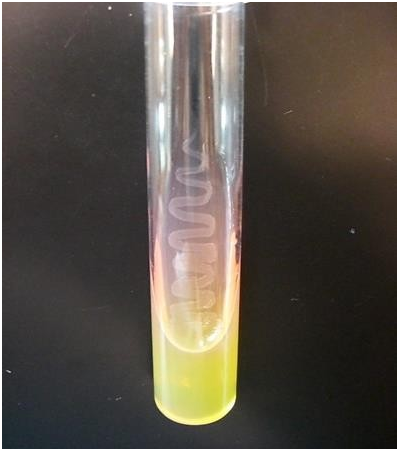
Agar Stab — Test tube containing solid culture medium for growth of anaerobic organisms especially when sealed with oil or deep culture system.
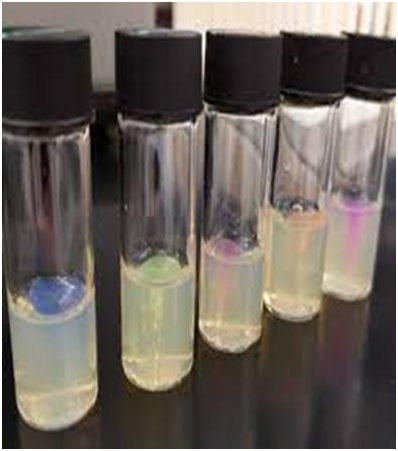
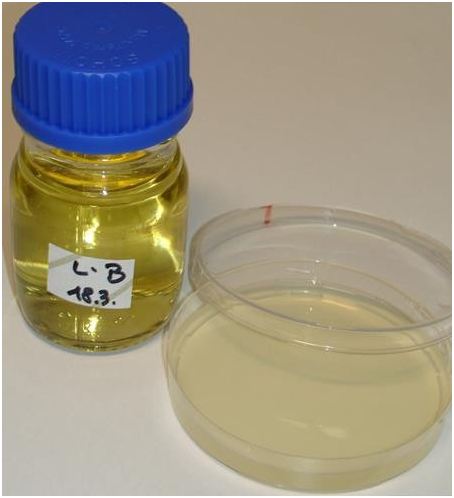
Broth — Liquid medium containing nutrients in which bacteria are grown.
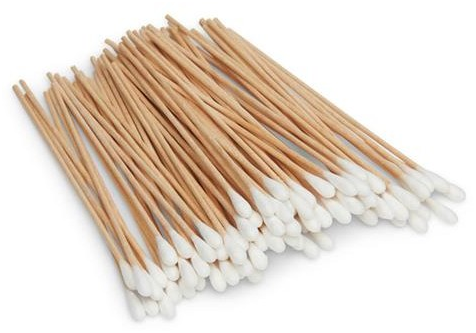
Cotton Swabs — Small slick with cotton wool for taking samples from ‘any surface such as wounds, throat, skin, etc.
Culture Medium — Mixture of nutrients for the growth of microorganisms. Available in ready- to-use powdered form or is prepared from separate ingredients. Commonly used culture media are nutrient agar, nutrient broth, MacConkey agar, etc.
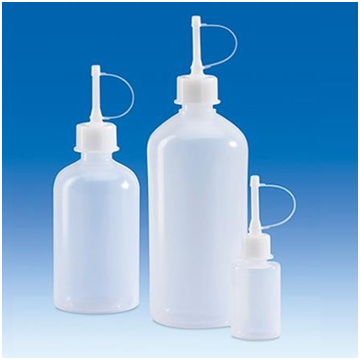
Dropping Bottles — Used for carrying staining solution in the lab. These deliver drop wise flow of the staining solutions.
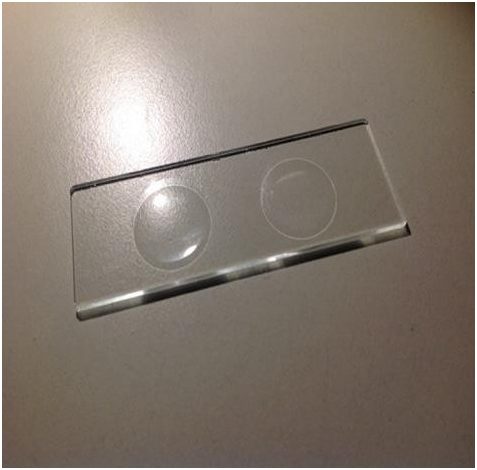
Glass Cavity Slide — Glass slide having concavity in its center. It is used for determining motility of microorganisms under microscope.
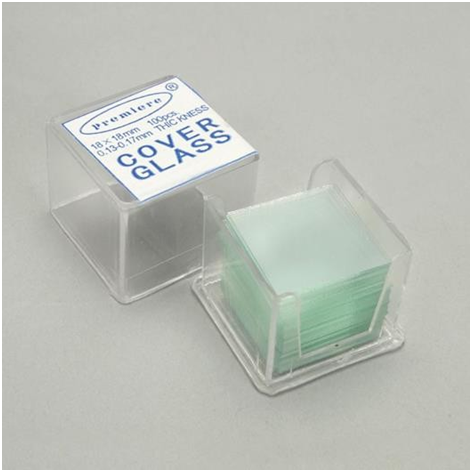
Glass Cover Slip — Rectangular or circular thin piece of glass (usually 1 cm2 or diameter) used for permanent mounting of smears or cell culture experiments.
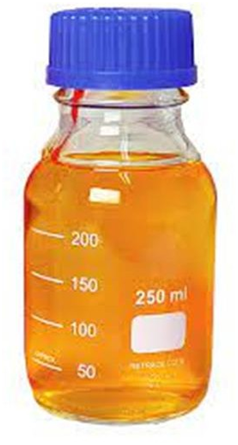
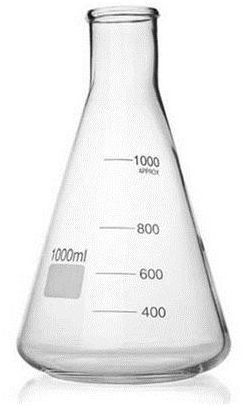
Glass Flask— Made of usually Pyrex glass, available in varying sizes and capacity as round or flat bottom. These are used for mixing purposes or making nutrient media. Flat- bottomed flasks are preferred.
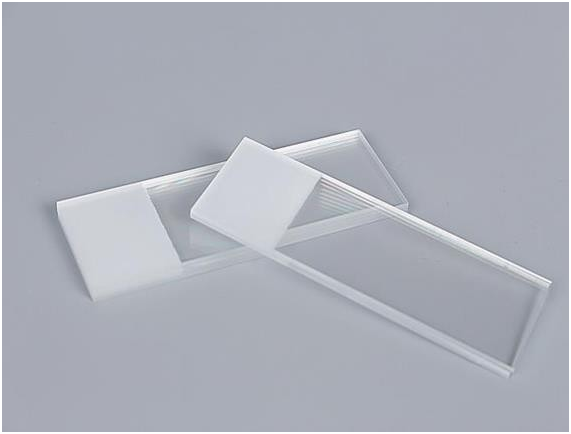
Glass Slide — Rectangular piece of glass sheet (3.0 x 1.5 cm) used for making bacterial or fungal smears, blood smears etc. for detailed microscopic study.
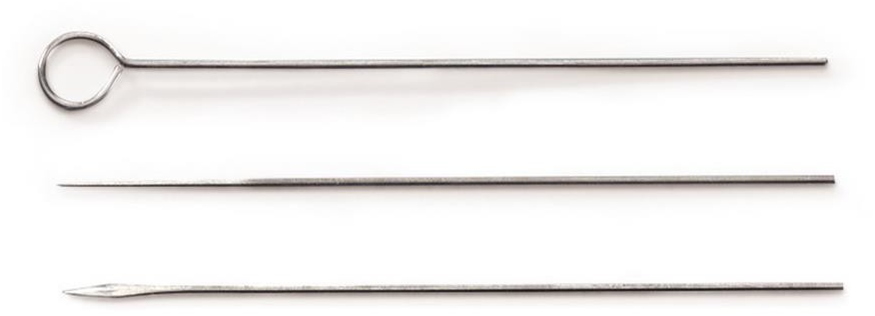
Inoculating Needles and Loops — These are used for transferring microorganisms. They must be flamed to red-hot before and after use. They should be cooled before being used to pick up organisms. These are also helpful in preparing slide smears.
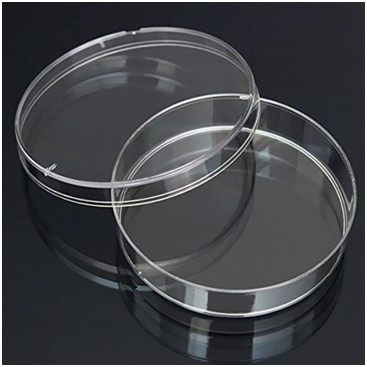
Petri Dish (named after its inventor) — Normally, made of Pyrex glass and consists of a bottom and a lid, it is used for growing microorganisms. It must be placed with lid down in the incubator. It is labelled on the underside. The glass Petri dish is reusable. Petri dish is also manufactured in plastic material as disposable. Different sizes such as small, medium, regular and king size are available for different purposes.
Equipments:
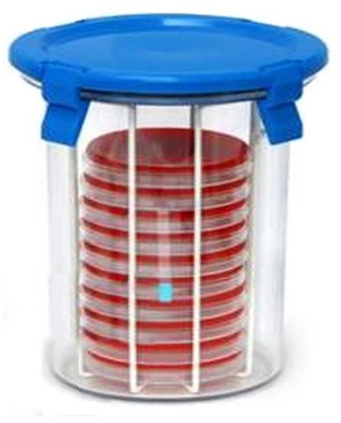
Anaerobic Jar— Closed chamber with controlled out-fits for air. It is used for anaerobic cultivation of microorganisms in the laboratory.
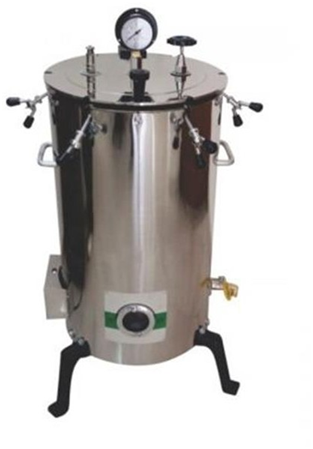
Autoclave — Used for sterilization. Normally a pressure of 1.09-kg cm-2 (15 lb. per square inch) is used for 15 minutes or longer for moist, heal sterilization.
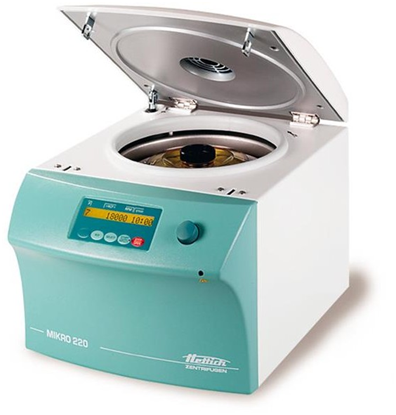
Centrifuge machine — Used to spin ‘the suspension, blood, etc. for the separation of cells from the fluid part. Available in ordinary (5000 rpm) and high speed (15,000 rpm) versions. The ultracentrifuge (60.000rpm) is employed for sub-cellular particle separation.
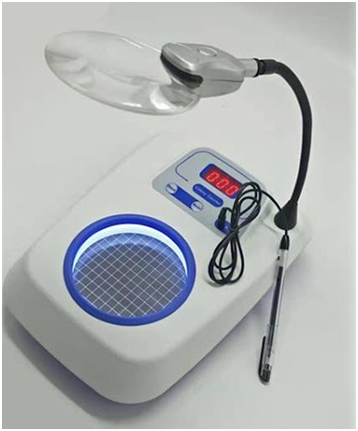
Colony Counter —Illuminated stage with magnifying lens attachment used for counting bacterial colonies on the surface of culture medium contained in a petri dish.
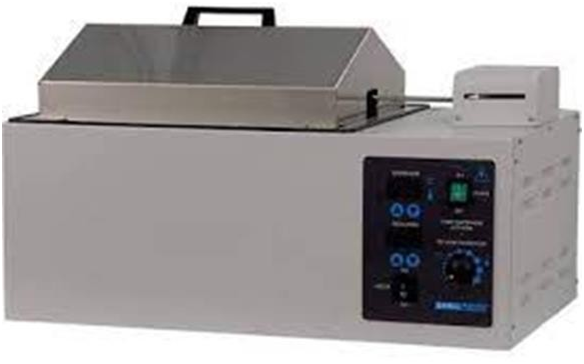
Water Bath — Used to maintain constant temperature of agar and other materials. Also useful for boiling sugar solutions and heal inactivation of serum.
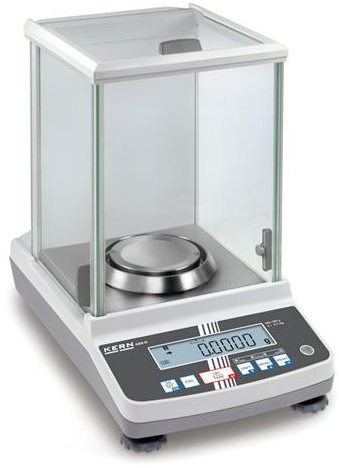
Weighing Balance — Required for weighing ingredients for making solutions and media etc.
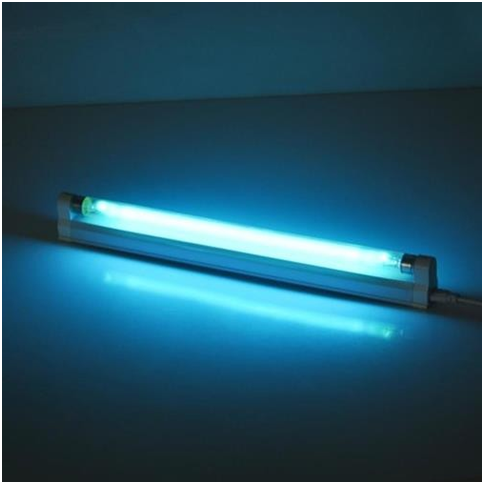
UV Lamp —Used for decontamination of laboratory environment.
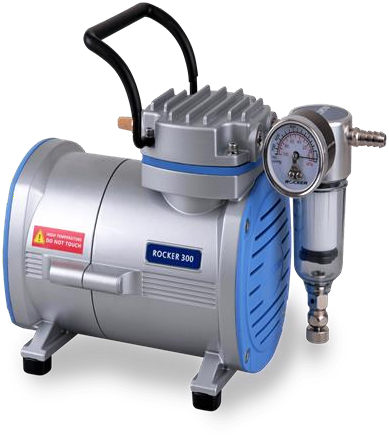
Vacuum Pump — Used for creating negative or positive pressure in filtration systems.
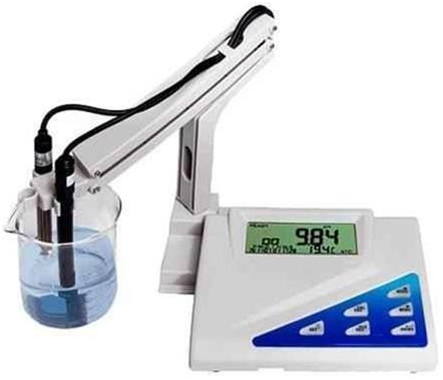
pH Meter — Calibrated instrument with buffers, used for determining the acidity or alkalinity (pH) of solutions, broths or culture media.
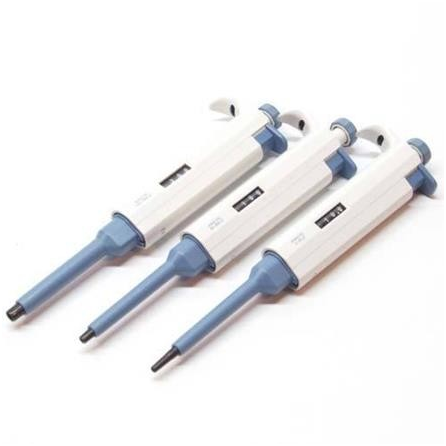
Pipettes —Used for transferring liquid materials. Pasteur pipettes are used for pouring small amounts while graduated pipettes are employed for transferring specific amount of material.
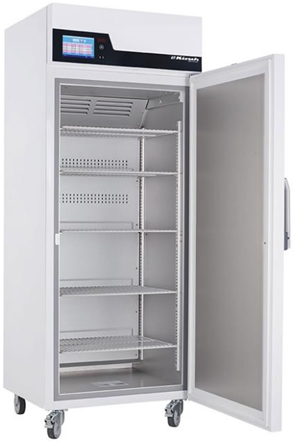
Refrigerator — Essential for keeping samples and cultures etc. at 4oC.
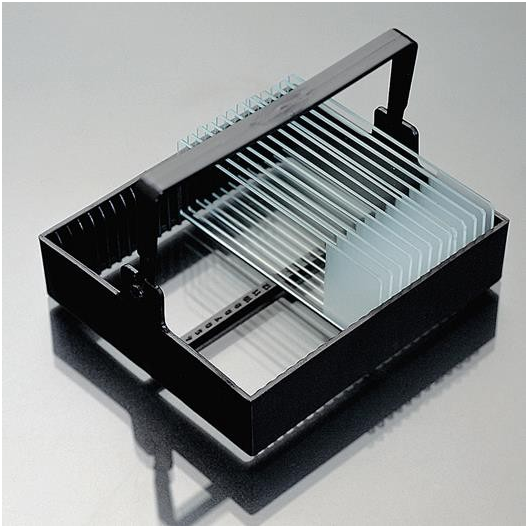
Staining Rack — Used to support slides during staining.
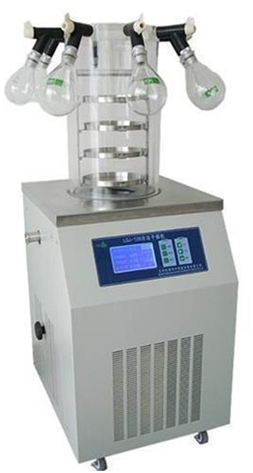
Lypholization apparatus — Meant for the preservation of cultures for extended period of time.
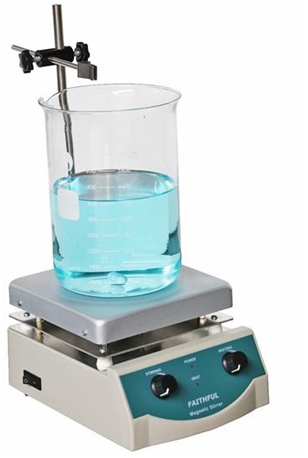
Magnetic stirrer — Instrument provided with hot plate arrangement, used for proper homogenous mixing of solutions, media, etc. under warm conditions.
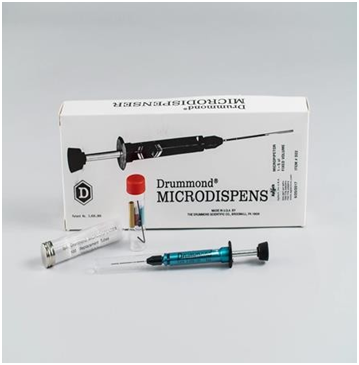
Micro dispenser — Micropipettes delivering minute amounts of solutions in microliters (𝜇L) for making multiple dilutions, These are available in single, 4, 8 and 12 channels.
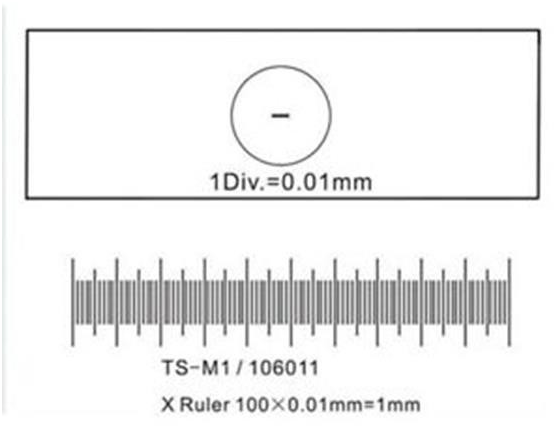
Micrometers — Stage and ocular micrometers, used for micrometrical study.
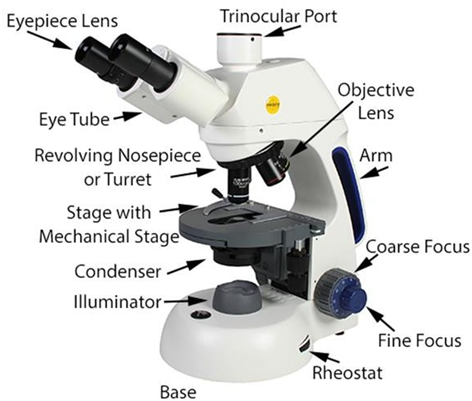
Microscope — Simple, compound or binocular used for detailed study of microbial (bacterial or fungal) or blood smears, etc.
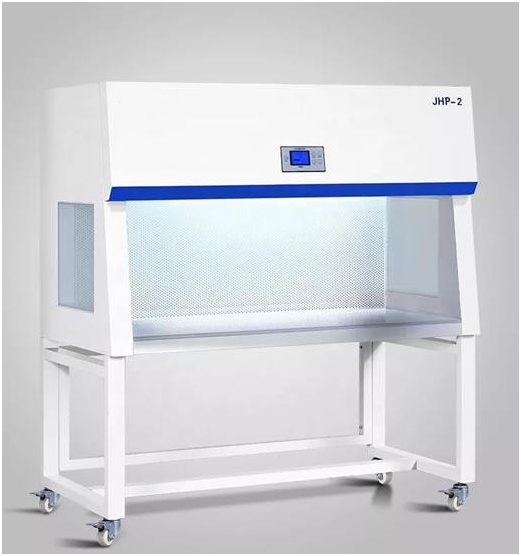
Laminar Air Flow Cabinet—Semi-closed cabinet with filtered airflow arrangement used for
open culture manipulation.
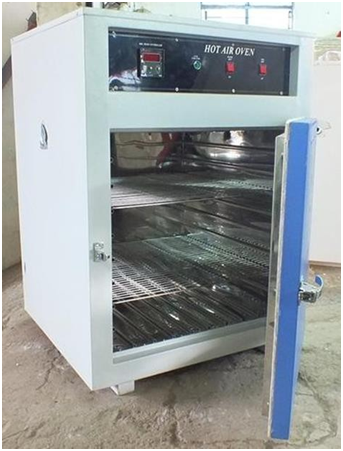
Hot Air Oven — For sterilizing glassware, metal-ware and oils at usually a temperature of 171 to 200°C. Also used for drying objects.
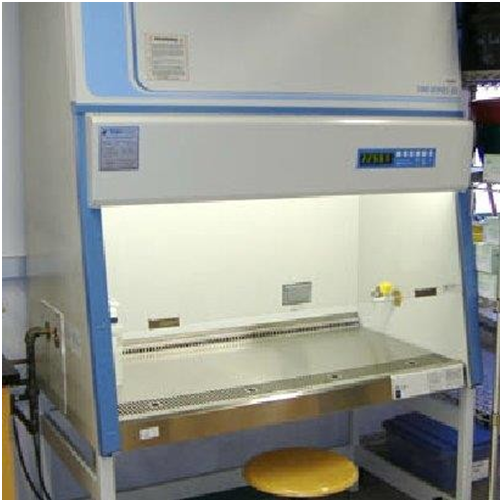
Culture Hood — A closed cabinet with UV light arrangement in order to maintain sterilized environment for culture manipulation.
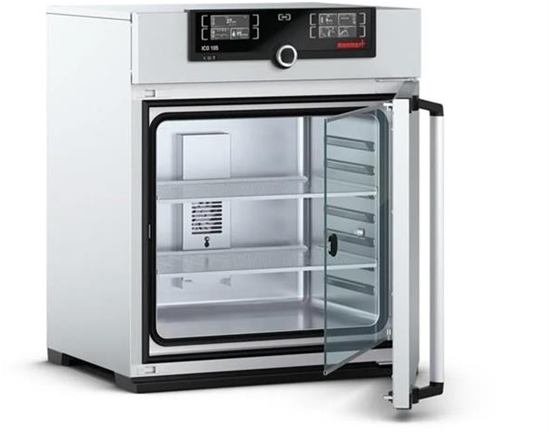
Incubator — For growing microbial cultures at specific and constant temperature. Ordinary incubators work at 25-40°C, while the low temperature incubators are set at 0°C to 10°C. Carbon dioxide incubators work at 25-40°C.
Validation of Critical Reagents and Procedures
All technical procedures and critical reagents should be tested and validated before performing the actual case work or research work experiments.
Calibration of Instruments
All instruments should be calibrated according to required schedule and before performing the validation studies, case work and research experiments.