Understanding Homeostasis
Homeostasis Definition:
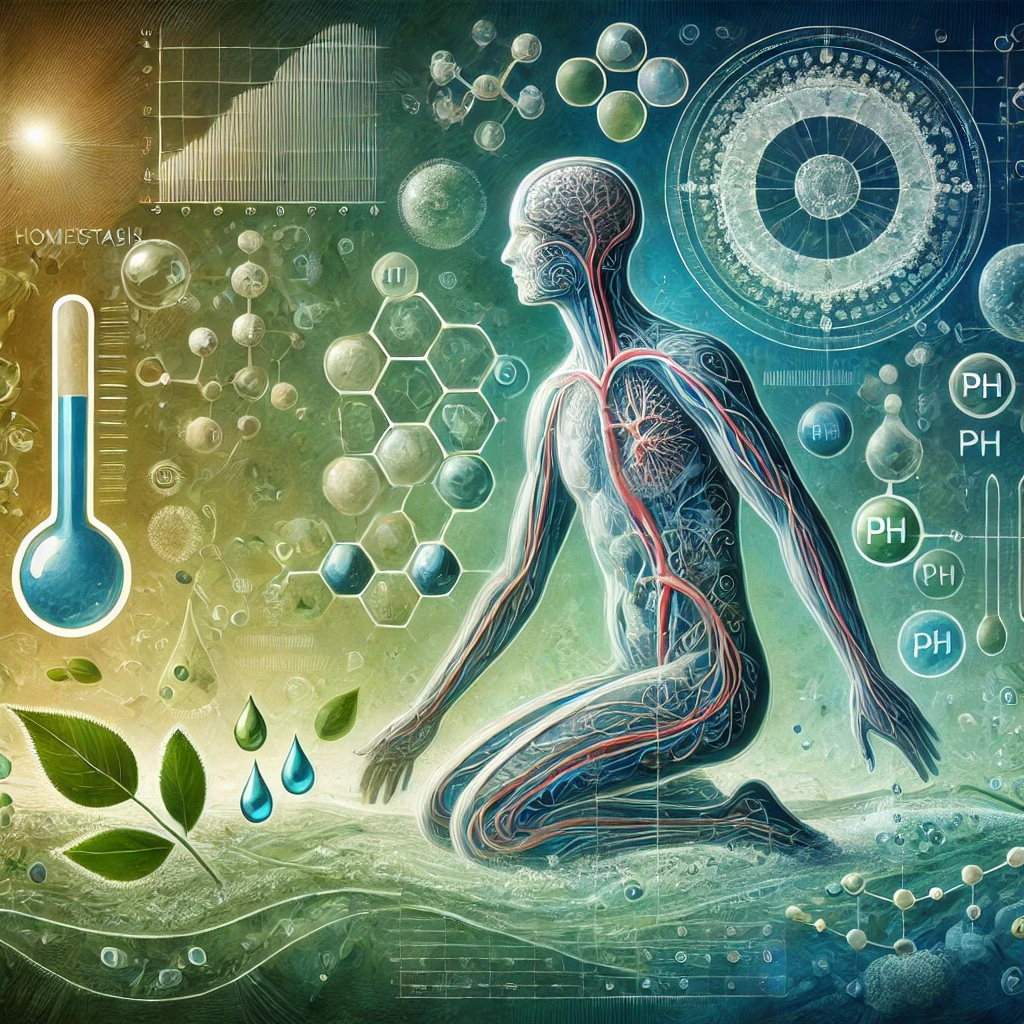
Homeostasis is the protection of the internal environment from harmful fluctuations in the external environment. It is crucial for maintaining stable conditions within the body, despite changes outside.
Importance of Homeostasis:
- Reduces Internal Fluctuations: Homeostasis minimizes internal fluctuations through different control systems.
- Maintains Internal Environment: Each organism has a specific internal environment suitable for its external conditions, which homeostasis helps maintain.
- Internal Adjustments: Organisms make internal adjustments to keep fluctuations within a narrow range, protecting the internal environment.
Levels of Homeostasis:

- Control at Organism Level:
- Osmoregulation: Maintains water and salt balance in the body.
- Excretion: Eliminates nitrogenous wastes from the body.
- Thermoregulation: Maintains internal temperature within a tolerable range.
- Control at Cell Level:
- Intracellular Environment: Managed within the cell membrane (cytoplasm).
- Extracellular Environment: Managed in the interstitial fluid.
Objectives of Homeostasis:
Homeostasis does not fix the internal environment but keeps changes within a specific range necessary for normal body functioning.
Examples:
- The body adjusts water levels in response to external conditions, preventing excessive water intake or dehydration.
Nature of Controlling System:
- Physical Control Systems: Used in non-living systems like refrigerators, including sensors, control centers, and heater/cooler units.
- Living Control Systems: Similar to physical systems but with components like receptors, control centers, and effectors, which operate through feedback mechanisms (mainly negative feedback).
Osmoregulation:
The process of maintaining water and salt balance in the body. It plays a crucial role in the water relations of cells, affecting their ability to function.
Osmoregulation in Different Environments:
- Plants:
- Hydrophytes: Aquatic plants with adaptations to prevent excessive water intake.
- Mesophytes: Plants in moderate environments with balanced water availability.
- Xerophytes: Plants in dry environments with adaptations to minimize water loss.
- Animals:
- Osmoconformers: Animals that do not actively adjust their internal osmotic state.
- Osmoregulators: Animals that actively regulate their internal osmotic state according to the external environment.
Excretion:
The elimination of waste products, primarily nitrogenous wastes, from the body.
Excretion in Plants:
- Excretory Products: Oxygen, carbon dioxide, water, and various organic and inorganic compounds.
- Mechanisms: Vacuoles, leaves (excretophores), stems, and roots help in the removal of waste.
Excretion in Animals:
Animals produce several excretory products, including water, salts, and nitrogenous wastes like ammonia, urea, and uric acid.
Long Questions:
- Nature of Excretory Products: Relates to the habitat. For example, ammonia is excreted by animals in freshwater environments, where large amounts of water are available to dilute and eliminate it.
This summary covers the key concepts of homeostasis, osmoregulation, and excretion as discussed in Chapter 15 of 2nd-year Biology.